
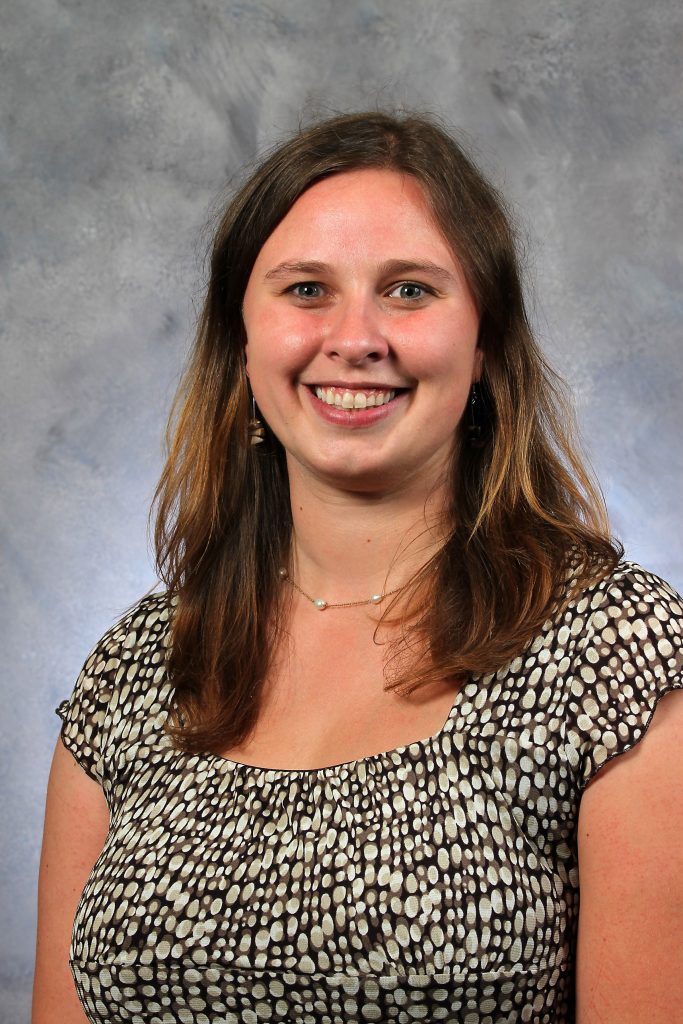
For Kristen Walcott, Ph.D., software engineering isn’t just about writing code — it’s about building bridges.
Bridges between people and machines. Between ideas and implementation. Between research and practice. And between students who may not yet see themselves as engineers and the futures waiting for them.
At UCCS, Walcott’s work spans software quality, AI-assisted engineering, requirements, project management, and computing education. At its heart, her mission is simple: help teams build better software — and help more people realize they can build it.
Research across the software pipeline
Walcott studies how software is built across the entire lifecycle — from early requirements and planning to testing, maintenance, and long-term sustainability.
Rather than focusing only on code, she looks at the full development pipeline: the people, decisions, and processes that determine whether software succeeds in the real world.
One of her newest projects uses agentic AI to assess the health of open-source software ecosystems. By analyzing signals like contributor activity, responsiveness, and dependency relationships, her team helps organizations better understand reliability and risk before problems occur.
“It’s not just about finding defects,” she explains. “It’s about understanding whether the whole system around the software is sustainable and trustworthy.”
Her work blends testing, machine learning, and human-centered analysis — because many software challenges aren’t purely technical. They’re organizational and social.
Why software engineering?
Walcott calls software engineering the connective tissue of computer science.
Languages change. Tools evolve. AI transforms workflows. But software engineering remains.
“Software engineering is the discipline that translates human ideas into systems people can trust,” she says. “No matter how technology changes, we still need people who can connect human needs with technical solutions.”
To her, it’s where creativity meets rigor — where imagination becomes something real.
Teaching at transition points
Although her research is active, Walcott lights up most when she talks about teaching.
Her students are often seniors or graduate students balancing coursework with families, jobs, and major life changes — moments when they’re stepping into professional identities for the first time.
“I love helping them through that transition,” she says.
She teaches software engineering, requirements engineering, and project management, courses that bring the human side of computing to the forefront.
In requirements classes, students learn to work with diverse stakeholders and translate messy, sometimes conflicting needs into shared goals. In project management, they balance schedules, risks, and team dynamics while guiding projects from idea to delivery.
“They start to realize that building software isn’t just about what you implement,” she explains. “It’s about coordination, communication, and leadership.”
Alongside strong technical foundations, students practice collaborating, prioritizing competing demands, negotiating tradeoffs, and leading through ambiguity — the skills that determine whether real-world projects succeed.
“The best moments aren’t only when a system works,” she says. “It’s when someone finds their voice or realizes they can lead.”
For Walcott, confidence is just as important as competence.
“Software engineering isn’t just about building systems,” she says. “It’s about helping people realize what they’re capable of building.”
Researching how we teach engineering
Her commitment to teaching also informs her scholarship. Walcott studies how we prepare students for modern software careers and regularly shares her approaches to human-centered project management and apprenticeship-style learning with the broader computing education community. Her work has been presented at venues such as SIGCSE Technical Symposium on Computer Science Education, where she highlights how simulation, mentorship, and reflection help students build both technical confidence and leadership skills.
Broadening who belongs in computing
Walcott’s commitment extends beyond the university. She serves as co-advisor for Society of Women Engineers and leads STEAM outreach for K–12 students, especially in middle school — a time when many students quietly decide whether they belong in STEM.
Through playful programming games and hands-on engineering challenges, students discover that computing isn’t abstract or intimidating — it’s creative and empowering.
“I want them to see technology as something they can shape,” she says. “Not something that happens to them.”
Preparing engineers for what’s next
Whether improving development pipelines, mentoring students, guiding project teams, or introducing young learners to their first programs, Walcott’s goal is the same: prepare people to build technology thoughtfully and responsibly.
“Technology will keep changing,” she says. “What lasts is the ability to learn, collaborate, and build something meaningful.”
And that, she believes, is what software engineering is really about.