
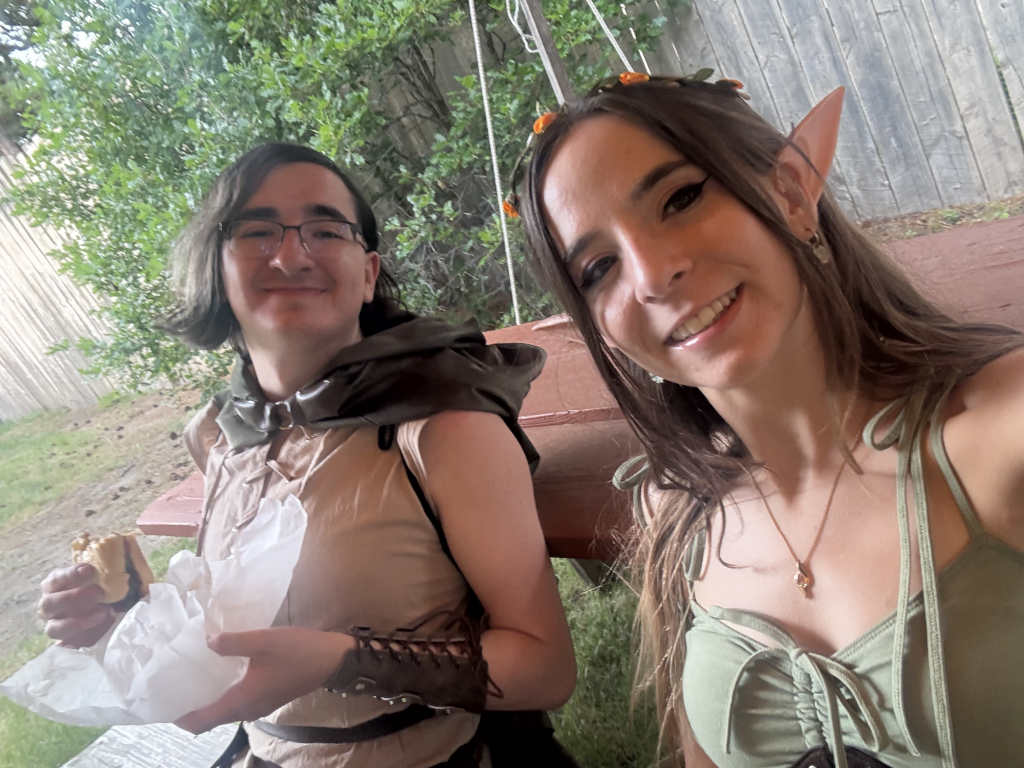
For UCCS alumnus Ben Ferrara, video games are far more than entertainment. They are a powerful, experiential art form capable of fostering empathy, connection and understanding. Since graduating from UCCS with a Bachelor of Arts in Computer Science and a minor in Game Design and Development, Ben has made waves in the independent game scene with a short, unconventional project that challenges long‑standing assumptions about who games are for, and who gets left out.
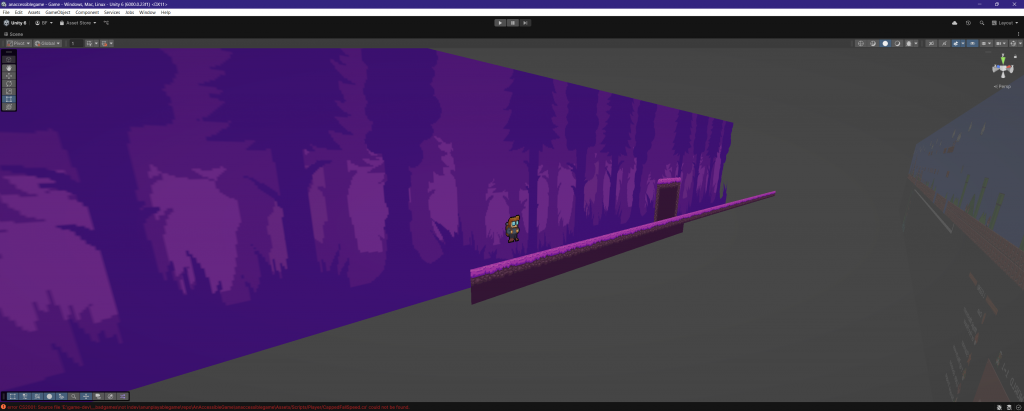
His latest game, often described as deliberately “unplayable,” has earned industry‑wide attention for its bold exploration of accessibility in games. Aptly titled “an unplayable game?!” the work recently secured Ben a finalist nomination for the Indie Excellence Award at Game Accessibility Conference’s (GaConf) 2025 awards, an international conference and awards ceremony dedicated to improving accessibility in interactive media.
Ben said the short, free game places players directly into the experience of exclusion.
“I made a game that’s unplayable because the game’s controls don’t accommodate your inability to play in the ‘intended’ manner,” Ben explained. “It explores the feeling of struggling with an unplayable game in a really neat way, by making you experience it firsthand.”
Rather than presenting accessibility as a checklist of settings, the game makes a larger point about design philosophy that is rooted in empathy and intentionality. Ben said his interest in accessibility has been shaped by years of watching online conversations dismiss or misunderstand disabled players.
“These discussions end up praising inaccessibility like it’s some godly design choice,” he said. “And those discussions never include—or even consider—the people that actually have to deal with the problems of inaccessible game design.”
In his view, accessibility cannot be an afterthought.
“Accessibility can’t just be grafted onto a finished project,” Ben said. “It’s a deeper design philosophy that has to be considered throughout the entire design process. Then it’s just… part of the game.”
Ben’s work struck a chord far beyond his home setup.
“A tiny desk with barely enough room to back up my chair before I hit a wall,” as he put it.
In addition to the GAConf Awards nod, Ben’s game has two nominations from the 2026 Indie Game Awards, hosted by Debug Magazine. He’s up for the Award for Accessibility and the Free Play Award and will attend the event in-person in Norwich, England at the end of April.
And that’s not all.
Ben has been invited to deliver a featured talk at conference, titled “Why Would Anyone Make an Unplayable Game?” He has also been selected to showcase his work at multiple venues, including the UCCS Indie Games Showcase on May 9 and CU Innovation Day on September 14.
Though the awards announcement is still pending, Ben is grounded about recognition.
“I didn’t make the game for money—it’s free after all,” he said. “I made the game to spread awareness and expand people’s perspectives through this weird, short, empathy‑fueled experience.”
Awards, Ben said, simply help the message reach further.
“Any award just means it’s getting shown to even more people,” he said. “That’s what matters.”
Ben credits UCCS with helping him discover not only game development, but creativity itself. After beginning college on a pre‑med path, he soon felt the high-pressure environment would stifle rather than support him.
“I may have actually dropped out if not for my professor, Mickey Gonzalez,” he said. “The way she really genuinely cared about my learning was such an amazing anchor for me as I figured out my path. She supported me taking the intro and advanced computer science courses at the same time, was fantastically available for helping students, and checked in on me when I blew off an assignment to play video games to see if I was alright.”
It wasn’t long before Ben found his footing in the university’s game development program.
“The Intro to Game Development class with Chris Malec was a great hook,” he said. “It’s not an exaggeration to say that his classes changed my life.”
He also points to professors across the program who consistently championed student creativity and care.
“Every class felt like a new tool in the toolbox,” Ben said. “I think that’s why I came out of it with a well‑rounded skillset that was enough to make a successful game all by myself.”
Now working as a freelance developer, Ben continues to make games driven by creativity rather than profit, releasing work under the moniker “./badgames.zip.”
“I’ve been working on more games since that first one released, and I’m trying to do it all with an emphasis on full transparency and openness when it comes to the creative process,” he said. “I’m pretty artsy, and games are, famously, a form of artistic expression, and so players have been more and more keen on seeing that artistic process even while meaningless AI-fueled games-as-products flood the market.”
For Ben, success is measured not in sales, but in connection.
“All you can do is do your best and make art that’s important to you,” he said. “Maybe that creative spark will connect with someone out there.”
For current and future students, Ben has one lasting piece of advice:
“Make things. Even if it’s bad. Especially if it’s bad.”
And perhaps most importantly:
“Do me a favor and don’t forget accessibility. Games are important, and everyone deserves to be able to have these life‑changing experiences in this medium.”
How to play “an unplayable game?!”
Download Ben’s game as a download on steam
Play Ben’s game online in-browser on Itch.io
Follow Ben on social media: