
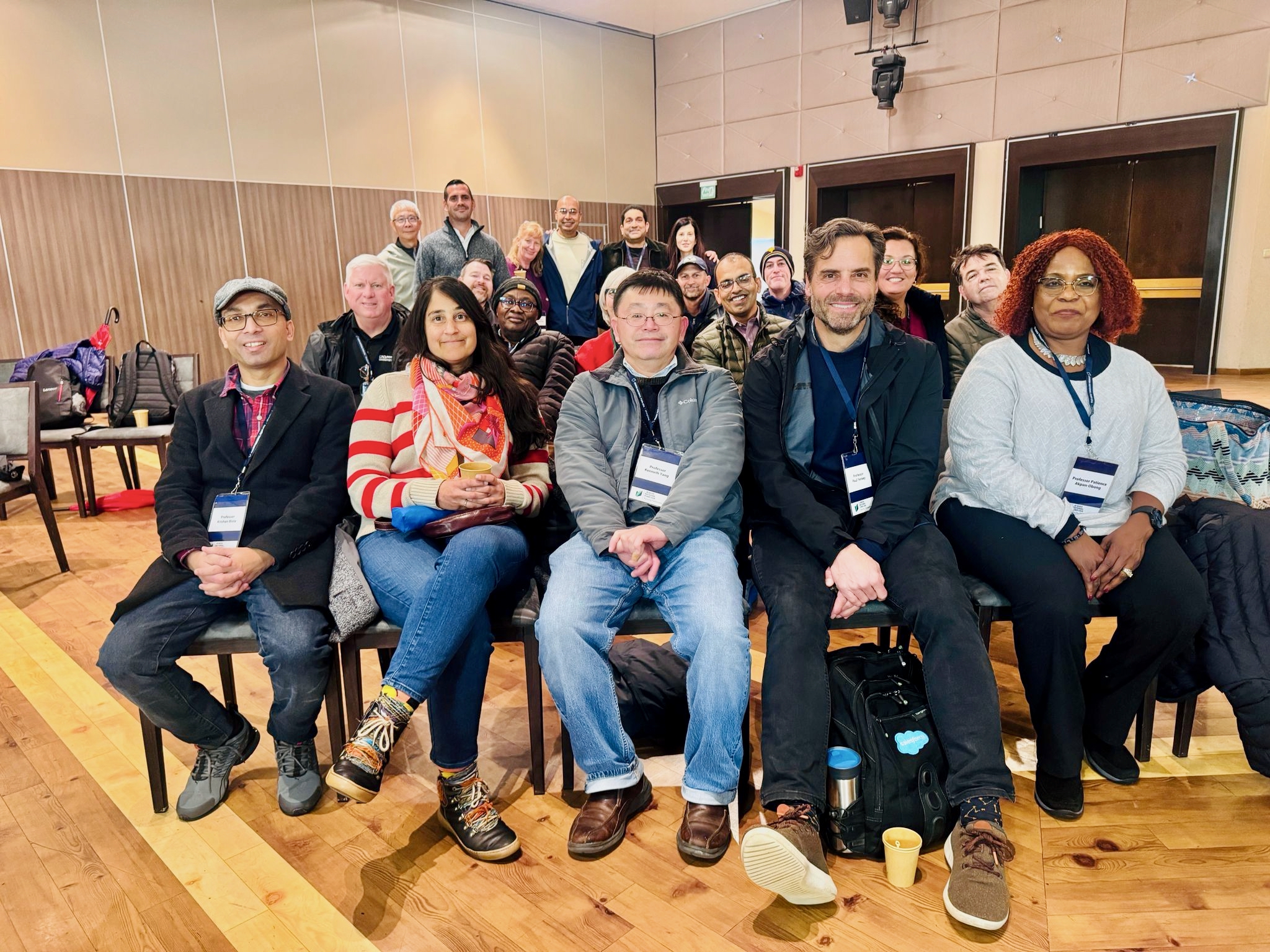
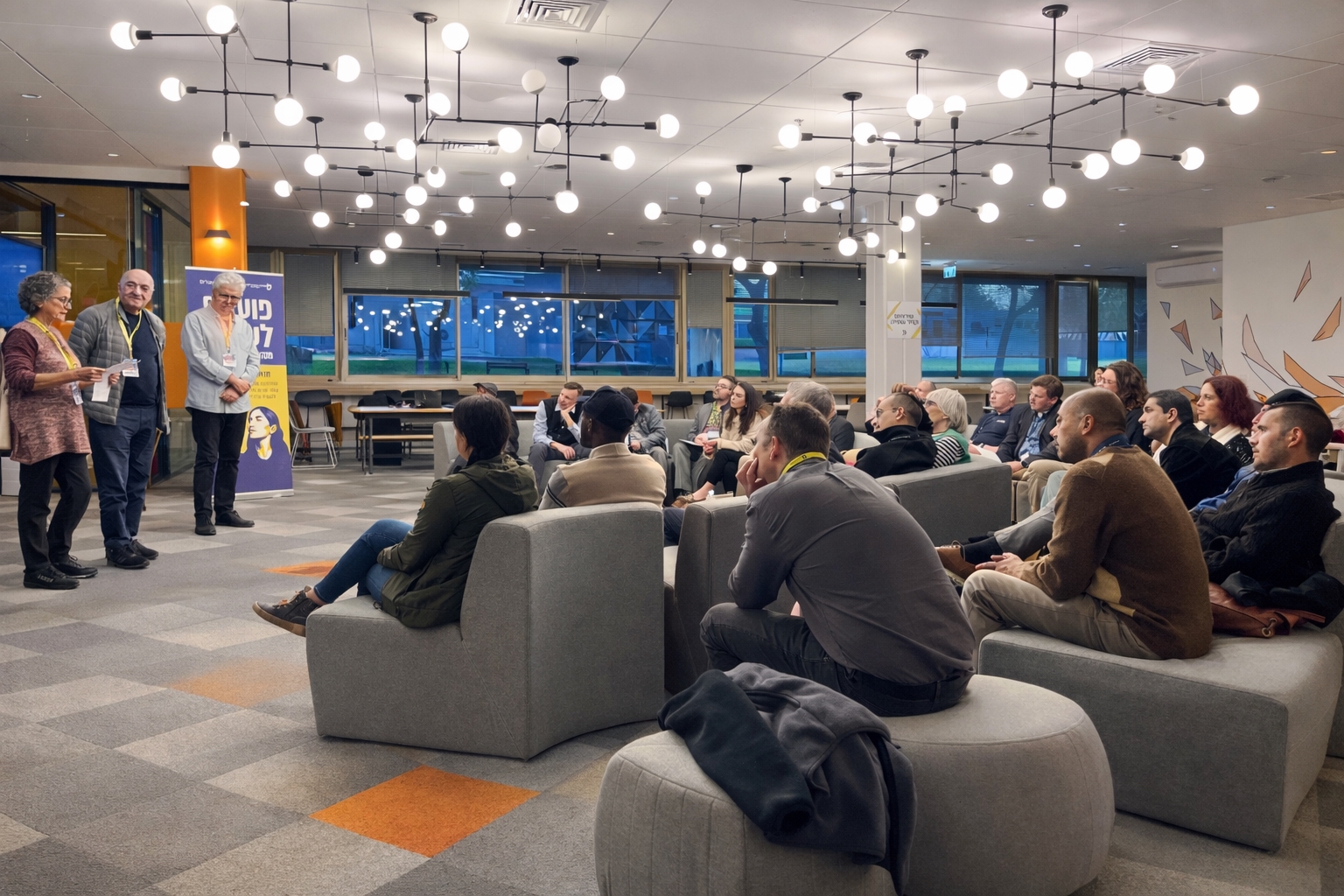
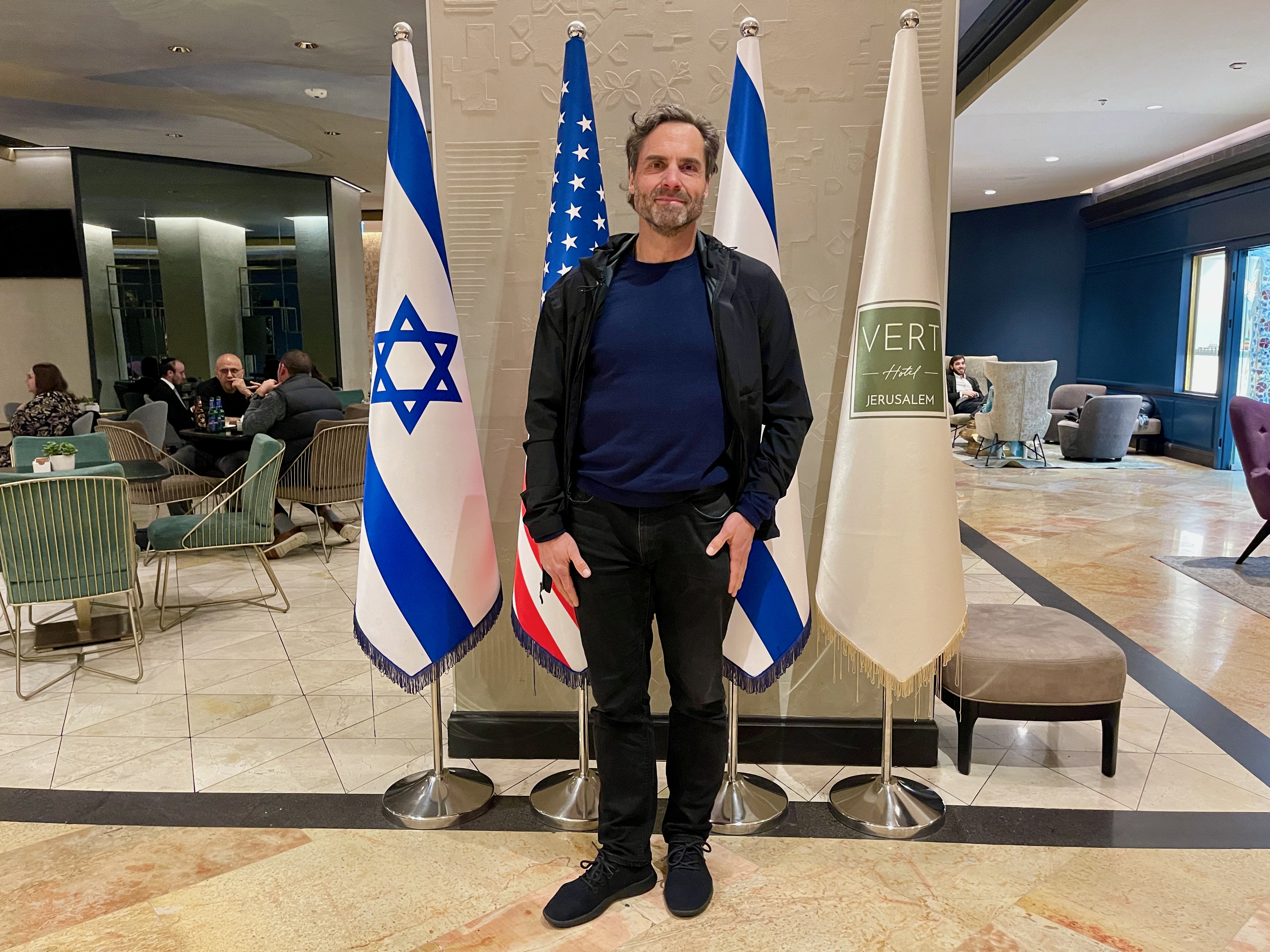
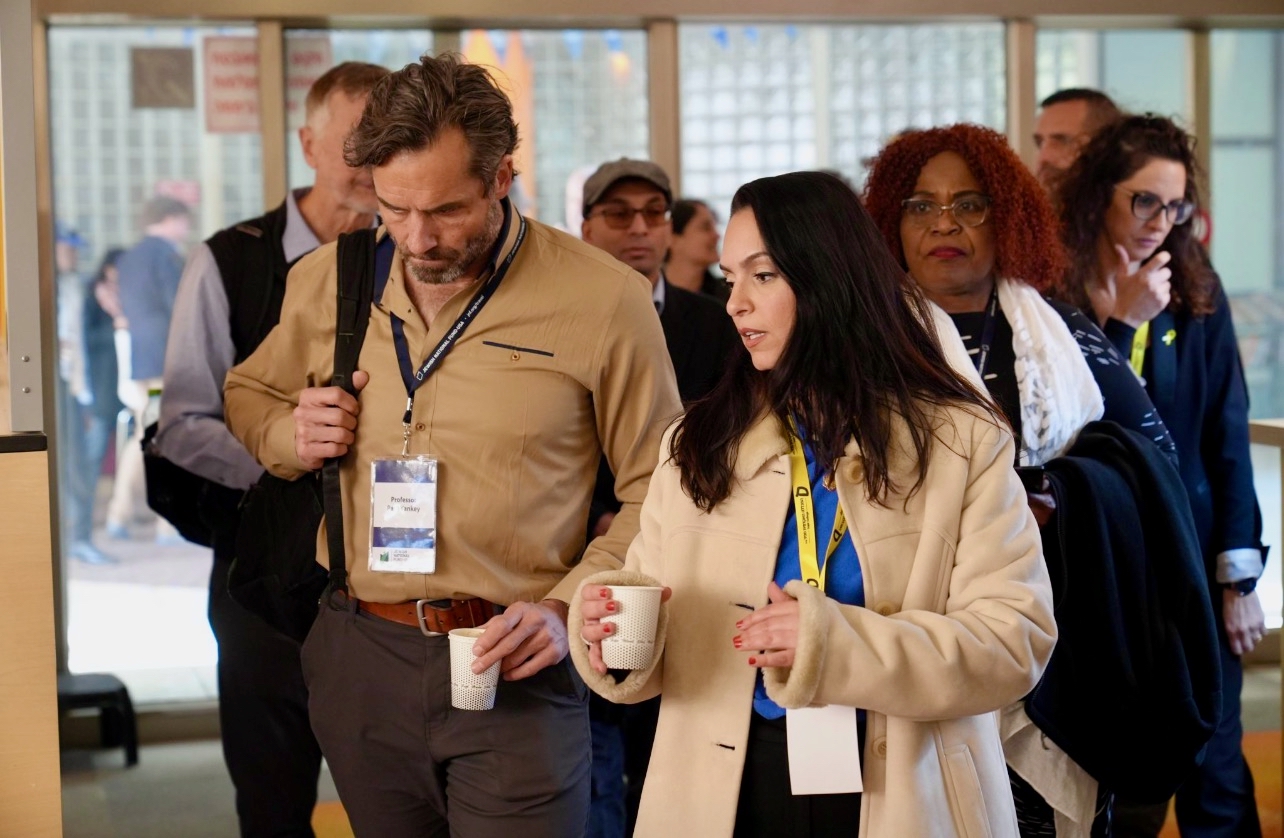



Paul Yankey, Assistant Teaching Professor in the College of Business, recently joined faculty members across the U.S. in Israel as part of the Jewish National Fund-USA’s Faculty Fellowship Program, where he had the opportunity to meet Israeli leadership and observe how they shape and apply leadership in high-pressure situations, some of which he now brings to his classroom when teaching.
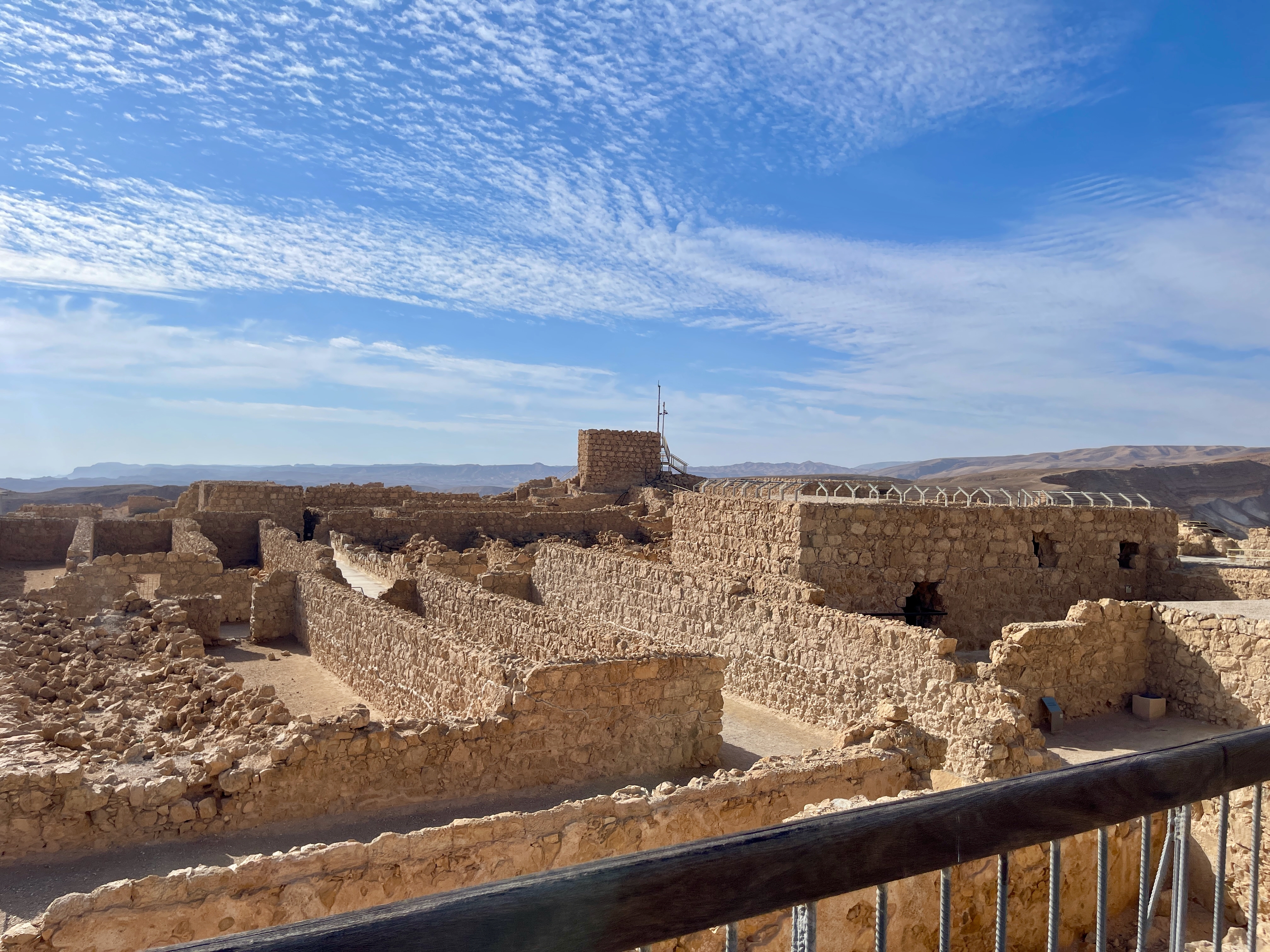
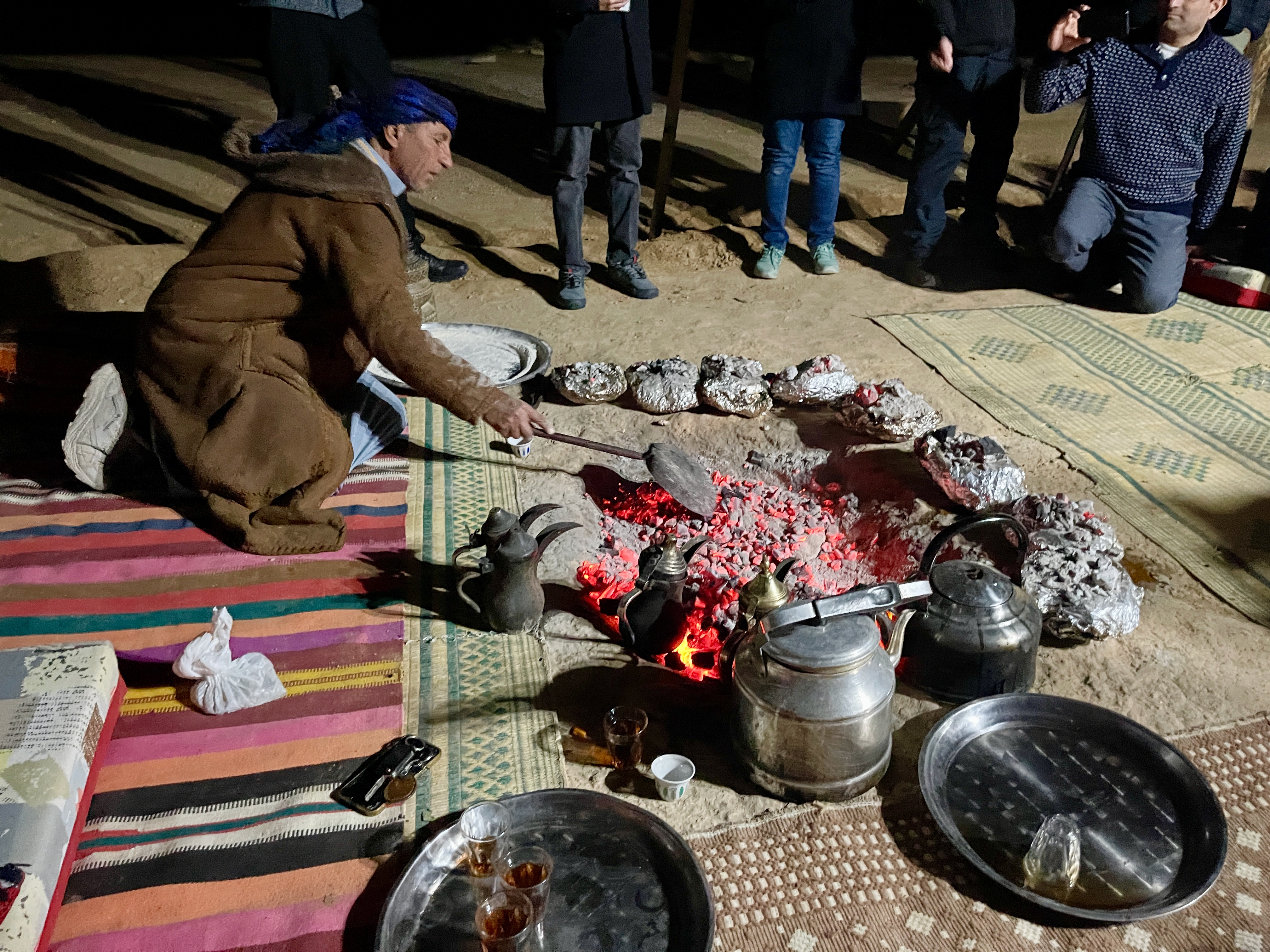
Taking place from December 27 to January 7, the program hosts faculty beyond the Jewish faith to travel to Israel, where they are “introduced to the diversity and complexity of Israeli society while enabling them to cultivate collaborative relationships with their Israeli peers at leading academic institutions.” While there, Paul and his fellow participants visited several colleges, including Ben-Gurion University of the Negev, Hebrew University of Jerusalem, Sapir College, Tel Aviv University and University of Haifa. They also visited several memorial sites, met with civilians, attended a Bedouin dinner and spent time getting to know each other.
Paul spoke on the experience and the significant aspects of being in a high-pressure area and seeing how both officials in charge and residents approach them.
“We were right at the border of Lebanon and Gaza Strip,” said Paul. “So there were many opportunities to see how they applied leadership under pressure. I had the privilege to talk with several leaders, including one of the former Prime Minister Chief of Staffs, and also the individual that is the leader of the largest venture capital firm in Israel. I was able to have long conversations with each of them and gain real insight behind who they are, living under this constant pressure that they’re under, and how that plays out in leadership and decision making.”
“I learned a lot, and was quite inspired by the Israeli people and how they think, how they work, and it’s impacted a lot of my teaching even in my classes,” he continued. “One of the places we went to see was a brand new museum that they had opened, and this is a beautiful facility and the whole purpose of it is tolerance. It’s called the Museum of Tolerance, and it gives all kinds of different examples and pictures showing this notion that we may not see eye to eye, but we can employ tolerance with each other. It was one of the things that I took away from the trip, being able to talk about things we disagree on and understand another point of view.”
Along with Paul, faculty from Arizona State University, University of South Florida, Morgan State University, University of Florida, Cornell University, Rice University, New York University, Appalachian State University, University of North Dakota, Florida Atlantic University, Florida International University, New Mexico State University, University of Arizona, University of Texas–El Paso, Northern Arizona University, University of Alabama, Bowling Green State University, Texas A&M University and the University of New Mexico all traveled to Israel and joined in the fellowship.
“It was a very self-aware, respectful group, and all of us just took it in and shared healthy discussions,” Paul said. “We came from different opinions, but it was nice to be able to experience it with purposeful, respectful different points of view.”
To further demonstrate the value of his experience and the perspective he gained while meeting with leadership in a high-pressure environment, Paul will be giving a talk sponsored by the College of Business addressing some of the business elements of Israel and the opportunities to come.